
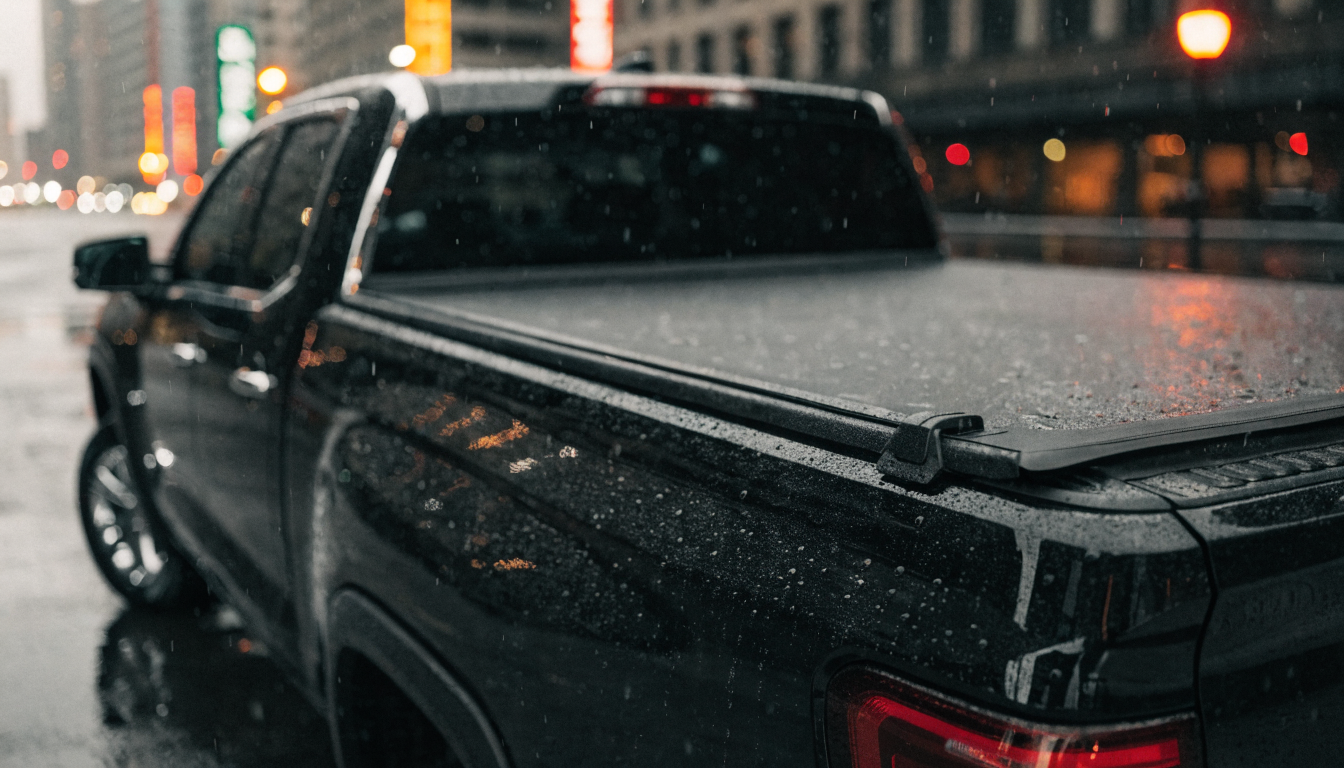
2013 GMC Canyon
Bed Covers
No Canyon was produced in 2013, but aftermarket bed covers remain available for all first-generation Canyon owners.
Important: No 2013 GMC Canyon Was Manufactured
GMC discontinued the Canyon after the 2012 model year. No new Canyon trucks were produced in 2013. However, bed covers for your existing first-generation Canyon (2004-2012) remain widely available from all major manufacturers. This guide helps existing Canyon owners find the right cover during the production gap.
Finding Bed Covers During the Canyon Production Gap
While GMC did not produce a Canyon in 2013, hundreds of thousands of first-generation Canyons remained on the road. These trucks, built between 2004 and 2012, continued to serve their owners faithfully, and the aftermarket accessory industry had no intention of abandoning them. In fact, the production pause created an interesting dynamic: with no new models to engineer for, manufacturers could focus on refining their existing cover designs for the first-generation platform.
If you own a first-generation GMC Canyon and are searching for a tonneau cover during this period, the good news is that your options are extensive. Every cover designed for the 2004 through 2012 Canyon fits your truck. The first-generation platform remained unchanged throughout its entire production run, which means a nine-year catalog of covers is at your disposal. Whether your Canyon rolled off the assembly line in 2004 or 2012, the bed dimensions are identical.
The Canyon's sibling truck, the Chevrolet Colorado, shares the same platform and bed specifications. This doubles the available cover selection, as manufacturers market covers for both the Canyon and Colorado interchangeably. When shopping, look for covers listed as compatible with the "2004-2012 GMC Canyon" or "2004-2012 Chevrolet Colorado" to access the full range of options.
First-Generation Canyon Bed Dimensions Reference
Since all first-generation Canyons share the same bed specifications, these measurements apply regardless of which year your truck was built.
Short Bed (All Years)
5'1" (61 inches)
Found on Crew Cab models across all production years. Measure your bed to confirm, as some early production trucks may vary slightly from spec.
Long Bed (All Years)
6'1" (73 inches)
Standard on Extended Cab and Regular Cab configurations. The additional cargo length makes the long bed popular among tradespeople and outdoor enthusiasts.
Aftermarket Support for Aging First-Gen Canyons
One concern Canyon owners often have during a production gap is whether aftermarket companies will continue supporting their trucks. The answer is an emphatic yes, and here is why the first-generation Canyon enjoys robust aftermarket coverage even without new production.
Large Installed Base
GMC sold hundreds of thousands of Canyons over nine production years. Combined with the nearly identical Chevrolet Colorado, the installed base of these mid-size trucks is enormous. Manufacturers recognize the continued demand from this substantial owner pool and maintain active product lines for the platform. Covers for first-gen Canyons are not going away anytime soon.
Mature Product Designs
With no annual design changes to accommodate, tonneau cover manufacturers have had time to perfect their fit and finish for the first-generation Canyon. The covers available today represent years of refinement, customer feedback, and engineering improvements. Seals are tighter, frames are lighter, and latching mechanisms are smoother than the covers sold when these trucks were new. Check our hard bed covers guide for the latest refined designs.
Competitive Pricing
Competition among cover manufacturers drives prices down over time. Because the first-generation Canyon market is well-established, you can find quality covers at every price point. Budget soft roll-ups start under $200, while premium retractable covers offer top-tier convenience and security for owners willing to invest more. The lack of annual model changes means manufacturers do not need to retool, keeping production costs and retail prices lower.
Maintaining an Older Canyon with the Right Cover
If your Canyon was built in the mid-2000s, it may be approaching or exceeding 150,000 miles. At this stage, preventive maintenance becomes even more important, and a tonneau cover plays a key role in preservation strategy.
- ✓ Rust prevention: An exposed truck bed accumulates moisture that promotes rust, especially around bolt holes, wheel wells, and the tailgate hinge area. A tonneau cover drastically reduces direct water contact with the bed surface, slowing oxidation.
- ✓ Bed liner protection: Even spray-in bed liners deteriorate with prolonged UV exposure. A cover blocks sunlight, preserving the liner's texture and adhesion. Drop-in liners benefit similarly, staying flexible and crack-free under a cover.
- ✓ Seal and gasket longevity: The rubber seals around the tailgate and bed rails degrade with sun and heat exposure. Covering the bed reduces thermal cycling on these components, helping them maintain their sealing ability longer.
- ✓ Paint preservation: On trucks without a bed liner, the factory paint inside the bed fades and chips from UV exposure and cargo abrasion. A cover provides an additional layer of protection beyond the paint itself.
Installation on High-Mileage Canyons
Installing a tonneau cover on an older Canyon requires a few extra considerations compared to a brand-new truck. Years of use may have introduced minor issues that affect how well the cover fits and seals.
- Inspect bed rail condition carefully before installation. Look for dents, rust, or bent edges that could prevent the clamps from seating properly. Minor dents can often be straightened with a rubber mallet and a flat piece of steel as a backing plate.
- Address existing rust on the bed rails by sanding down surface corrosion and applying a rust-inhibiting primer. This creates a clean, solid surface for the cover clamps and prevents rust from spreading underneath the mounting hardware.
- Verify tailgate alignment by observing the gap around the tailgate when closed. Worn hinges can cause the tailgate to sag, creating an uneven gap that prevents a proper seal. Replacing worn hinge bushings is an affordable fix that improves both cover fit and daily tailgate operation.
- Clean the bulkhead area where the front of the cover rests. Accumulated dirt and debris behind the cab can prevent the cover from sitting flush. A thorough cleaning with a degreaser ensures maximum seal contact.
- Apply bed rail protector tape before clamping the cover. This adhesive foam tape (included with many covers) prevents the clamps from scratching the rail finish and adds a slight cushion that compensates for minor rail irregularities on older trucks.
Benefits for Existing Canyon Owners
Extended Truck Lifespan
Protecting the bed from corrosion and deterioration extends the overall lifespan of your Canyon. A rust-free bed maintains structural integrity, preventing issues that could compromise the entire truck frame over time.
Maintained Resale Value
Even with Canyon production paused, used first-gen models retain value because mid-size trucks remain in demand. A well-maintained bed with a quality cover signals to buyers that the truck has been cared for throughout its life.
Daily Utility Enhancement
A covered bed transforms your Canyon into a more versatile vehicle. Use it as a secure trunk for everyday errands, a weatherproof storage space for work tools, or a protected hauling area for outdoor gear.
Fuel Savings Add Up
The aerodynamic benefit of a closed bed cover saves fuel on every highway drive. Over the remaining lifespan of your truck, those savings can easily offset the cost of the cover itself, especially with the efficient 2.9L four-cylinder engine.
Even though no new Canyons were built in 2013, the trucks already on the road continue to benefit from quality accessories. Explore the final production year options in our 2012 Canyon bed cover guide, or see what was happening in 2014 as the production gap continued.
Frequently Asked Questions
GMC and General Motors decided to discontinue the Canyon and its sibling Chevrolet Colorado to focus resources on developing an entirely new mid-size truck platform. Rather than releasing a minor refresh, GM chose to take the time needed to create a ground-up redesign that would be significantly more competitive. The result was the all-new second-generation Canyon that debuted as a 2015 model.
Absolutely. Multiple major manufacturers continue to produce and sell brand-new tonneau covers compatible with the 2004-2012 GMC Canyon. The large installed base of these trucks ensures strong demand, and you can purchase new covers from brands like TruXedo, Extang, BAK Industries, and many others through online retailers and auto parts stores.
Used covers can be a good value if you inspect them carefully before purchase. Check the seals for compression damage, examine the frame for cracks or warping, test all latches and locking mechanisms, and verify that all mounting hardware is included. The primary risk with used covers is worn seals that no longer keep water out. If the cover is otherwise solid, replacement seals are often available from the manufacturer for a reasonable price.
Yes. GMC brought the Canyon back as an all-new second-generation model for the 2015 model year. The new Canyon features a completely redesigned platform, new engines including a diesel option, and updated bed dimensions. However, first-generation covers are not compatible with the second-generation truck due to the significant dimensional and structural differences between the two platforms.
Your First-Gen Canyon Still Deserves Protection
No new Canyons were built in 2013, but your existing truck deserves a quality bed cover that keeps it performing at its best for years to come.